
Defining Supplemented Foods
Supplemented foods are essentially prepackaged food items that have had supplemental ingredients added to them. These aren't your typical grocery store finds; they fall under specific Canadian food regulations. The labelling requirements for these foods are quite detailed, especially concerning how supplemental ingredients are listed. You'll often see a new format called the Supplemental Food Fact Table (SFFt) which clearly states the name and amount of each added supplemental ingredient, replacing the older Nutrition Fact Table (NFt) for these products. This change aims to provide clearer information to consumers about what's actually in their food.
Potential Risks of Supplemental Ingredients
While adding ingredients can enhance a food product, it also introduces potential risks. Certain supplemental ingredients, or even specific amounts of them, can trigger the need for cautionary statements on the product label. This is particularly true for ingredients like vitamin A (retinol) and zinc, which require a warning regardless of how much is added. The goal here is to inform consumers about ingredients that might pose a risk if consumed in excess or by certain groups. Health Canada provides guidance on these specific ingredients and the associated warnings.
Regulatory Framework for Supplemented Foods
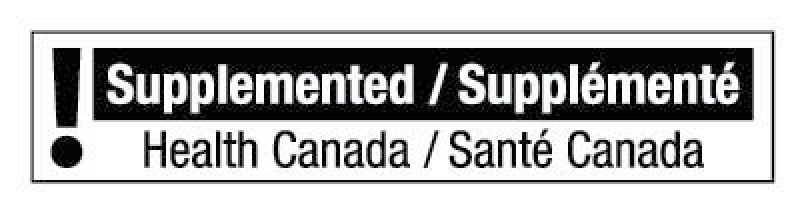
Canada has a structured approach to regulating supplemented foods. The framework includes detailed supplemented foods labelling requirements designed to protect public health. A key component is the mandatory display of a Supplemented Food Caution Identifier (SFCI) when cautionary statements are necessary. This identifier is a specific, text-based symbol that must appear on the principal display panel. It's important to note that only supplemented foods requiring cautionary statements can use this identifier; other products are prohibited from displaying it to avoid confusion. This system helps consumers quickly identify products that may require extra attention.
The regulatory framework for supplemented foods in Canada is designed to balance innovation with consumer safety. It mandates clear labelling, including specific identifiers and cautionary statements, for products containing added supplemental ingredients that could pose a risk if not consumed appropriately. Compliance with these regulations is not optional and ensures that consumers have the information they need to make informed choices about the foods they purchase and consume.
The Supplemented Food Caution Identifier
Mandatory Display of the Supplemented Food Caution Identifier
When a supplemented food product contains ingredients that require a cautionary statement on its label, it must also display a Supplemented Food Caution Identifier (SFCI). This identifier acts as a clear signal to consumers that the product has specific ingredients or levels of ingredients that warrant attention. The presence of the SFCI is directly linked to the necessity of having a list of cautionary statements on the product's packaging. Without such a list, the SFCI cannot be used. This rule is in place to help consumers make informed choices, especially when dealing with products that might not be suitable for everyone.
Prohibitions on Identifier Usage
There are strict rules about how the SFCI can and cannot be used. Firstly, you cannot use the SFCI on a product unless it actually requires a list of cautionary statements. This means it's not for general use; it's specifically tied to products with ingredient warnings. Secondly, and this is important, no one is allowed to create or use any symbol, word, or design that looks like the official SFCI. The goal here is to prevent confusion. Consumers should only see the official identifier when it's legally required and properly applied. Misleading representations that could be mistaken for the SFCI are prohibited to maintain clarity and trust.
Consumer Perception of the Identifier
Research has shown that consumers find the SFCI helpful. It serves as a quick visual cue on the principal display panel, drawing attention to the fact that the product is supplemented and may have specific usage instructions or warnings. This front-of-package labelling is designed to be easily noticed, aiding shoppers in quickly assessing whether a product aligns with their dietary needs or preferences. The identifier's purpose is to communicate important information upfront, contributing to a better consumer experience and promoting safer consumption of supplemented foods.
Navigating Cautionary Statements on Supplemented Foods
When a supplemented food contains certain ingredients or amounts of ingredients, specific cautionary statements are required by Health Canada. These statements are not optional; they are a key part of informing consumers about potential risks. Understanding these requirements is vital for both manufacturers and consumers.
Specific Ingredients Requiring Cautionary Statements
Some supplemental ingredients trigger a mandatory cautionary statement regardless of the quantity added. For instance, ingredients like vitamin A (retinol), zinc, and L-asparagine must have a warning on the label. The exact wording for these statements is detailed in the List of Permitted Supplemental Ingredients. It's not just about if an ingredient is present, but also about its potential impact when consumed as part of a supplemented food.
Grouping and Calculation of Cautionary Statements
When multiple cautionary statements are needed, they must be presented together as a list. This list should be clearly headed with “Caution” (or “Attention” in French). There are specific rules about how these statements are grouped and presented to ensure clarity. For certain vitamins and minerals, there are also calculations involved. For example, if consuming a certain number of servings of the supplemented food could lead to exceeding safe daily intake levels, a statement like “Do not [eat/drink] more than X serving(s) per day” might be required. Furthermore, if the intake from the supplemented food, combined with supplements or other supplemented foods containing the same ingredients, could exceed safe limits, a statement such as “Do not [eat/drink] on the same day as any other supplemented foods or supplements with [the same supplemental ingredients/(name specific ingredients)]” is necessary.
Restrictions on Claims with Cautionary Statements
Having a cautionary statement on a supplemented food label can affect the types of claims you can make about the product. For example, general nutrient function claims might be restricted. If a cautionary statement advises against consumption by a specific age group, certain claims cannot be made on the product. Similarly, supplemented foods carrying a “High caffeine content” statement have their own set of claim restrictions. These rules are in place to prevent misleading consumers, especially when potential risks are already highlighted.
Placement and Visibility Requirements
When it comes to putting the supplemented food caution identifier on your product's packaging, there are specific rules to follow. These aren't just suggestions; they're part of the Canadian Food and Drug Regulations designed to make sure consumers can actually see and understand the warning. It's all about making sure the information is clear and accessible.
Principal Display Panel Placement Guidelines
The main area of your product's packaging, the principal display panel, is where the identifier needs to go. The exact spot depends on the shape of that panel. If the panel is wider than it is tall, the identifier must be placed on the right half of that panel. For panels that are taller than they are wide, or square, it needs to be in the upper half. This ensures the identifier is in a prominent location, not hidden away.
Buffer Zone Specifications
To make sure the identifier stands out and isn't crowded by other text or graphics, it needs a clear space around it. This buffer zone is like a little bit of breathing room for the label. The width of this buffer is specified and must not contain any other writing or images. For cylindrical packages, there's an additional rule: the outer edge of the buffer must be at least 10% of the principal display surface's width away from the side edges. This helps prevent the identifier from wrapping around too much and becoming hard to read.
Orientation for Readability
How the identifier is oriented matters too. Generally, it should be placed so that it reads in the same direction as most of the other information on the principal display panel. However, if the panel is oriented vertically and most other text isn't parallel to the base, the identifier should be positioned so its words are parallel to the base. This is a simple rule aimed at making sure the text is easy to read at a glance. The Supplemented Food Caution Identifier specifications provide detailed guidance on these requirements.
Here's a quick breakdown of placement:
- Wider than tall panel: Right half of the principal display panel.
- Taller than wide or square panel: Upper half of the principal display panel.
- Cylindrical packages: Additional buffer zone requirements apply.
It's important to remember that these placement and visibility rules are not optional. They are legally binding requirements under Canadian law. Failure to comply can lead to regulatory action and penalties. Making sure the identifier is correctly placed and visible is a key part of responsible product labelling.
Legal Considerations for Supplemented Foods
When you're dealing with supplemented foods, there's a whole set of rules and laws you need to be aware of, especially here in Canada. It's not just about throwing some extra vitamins into a product; there are specific regulations that govern what you can add, how much, and how you have to tell people about it. The Food and Drugs Act and its associated Regulations are the main documents here. They lay out the groundwork for what's considered safe and legal when it comes to food products.
Compliance with Food and Drug Regulations
At its core, the law says you can't sell food that's harmful or adulterated. For supplemented foods, this means that any added supplemental ingredients – like vitamins, mineral nutrients, or amino acids – must be permitted and added according to specific conditions. These conditions are often detailed in lists, such as the List of Permitted Supplemental Ingredients and the List of Permitted Supplemented Food Categories. Think of it like a recipe: you can only use certain ingredients, and you have to follow the instructions precisely. If you add something that's not on the approved list, or if you add it in a way that's not allowed, you're stepping outside the legal boundaries.
- Added ingredients must be on an approved list.
- Quantities and combinations are strictly regulated.
- Specific food categories have different rules.
It's also important to note that supplemented foods are generally exempt from certain prohibitions that would normally apply to regular foods. For instance, adding a permitted supplemental ingredient according to the rules won't be seen as adding a poisonous substance or adulterating the food. However, this exemption only holds if you're playing by the rules.
Consequences of Non-Compliance
So, what happens if you don't follow the rules? Well, it's not pretty. The consequences can range from warnings and product recalls to significant fines and even legal action. Health Canada takes the safety of Canadians very seriously, and they have the authority to enforce these regulations. If a product is found to be non-compliant, it could be removed from the market, which is a huge financial and reputational blow to any business. Beyond that, there are prohibitions against using a supplemented food as an ingredient in a regular food product, which is designed to prevent confusion and ensure that consumers know what they're getting.
The regulatory framework aims to balance innovation with consumer safety. While industry has flexibility to develop new supplemented foods, this must be done within clearly defined safety parameters and labelling requirements.
Seeking Legal Counsel for Supplemented Foods
Given the complexity of these regulations, it's often a smart move to get some professional advice. A lawyer who has experience in Canadian food law can help you understand the specific requirements for your product. They can review your product formulation, labelling, and marketing materials to make sure everything aligns with the Food and Drugs Act and the Supplemented Foods Regulations. This proactive approach can save you a lot of trouble down the line. Trying to figure it all out on your own can be a real headache, and mistakes can be costly. It's better to be safe than sorry when it comes to legal compliance in the food industry.
| Regulation Area | Key Requirement |
|---|---|
| Ingredient Approval | Must be on the List of Permitted Supplemental Ingredients |
| Food Category Restrictions | Must be permitted within the specified food category |
| Labelling | Must include Supplemented Food Facts table and caution identifier if required |
| Advertising | Claims about supplemental ingredients may be restricted |
| Use as Ingredient in Others | Prohibited in non-supplemented food products |
Specific Cautionary Statement Examples
When certain ingredients are added to foods, specific warnings need to be on the label. These aren't just suggestions; they're requirements under Canadian law to keep people informed about what they're consuming. Think of them as important notes for specific situations.
Statements for Vitamin and Mineral Nutrient Thresholds
Some vitamins and minerals, when added above certain levels, trigger the need for a cautionary statement. This usually relates to the maximum number of servings a person should consume daily. For instance, if a product is meant to be eaten in up to 3 servings, a statement like “Do not eat more than 1 serving per day” or “Do not eat more than 2 servings per day” might be required. If a single container is considered one serving, the label can say “Do not drink more than 1 can per day” for a beverage in a 473 mL can, for example. This helps prevent overconsumption of specific nutrients.
Caffeine-Related Cautionary Statements
Products with higher caffeine levels have distinct warning requirements. If a supplemental ingredient's level necessitates a “high caffeine content” statement, specific restrictions apply to claims made about the product. Furthermore, if caffeine levels are particularly high, statements advising against consumption by certain groups are mandatory. These can include:
- Not recommended for those under 14 years old.
- Not recommended for pregnant or breastfeeding women.
- Not recommended for individuals sensitive to caffeine.
When multiple such statements are needed, they must be grouped together without repeating the introductory phrase. For example, “Not recommended for those under 14 years old or pregnant or breastfeeding women.” If different supplemental ingredients trigger age-related warnings, the most restrictive age must be used. So, if one ingredient requires “under 14” and another “under 18,” the label must state “Not recommended for those under 18 years old.”
Statements for Vulnerable Populations
Beyond caffeine, other supplemental ingredients might require warnings for specific groups. These statements typically begin with “Not recommended for.” This could include warnings for:
- Individuals under a certain age (e.g., “Not recommended for those under 14 years old”).
- Pregnant or breastfeeding women.
- Individuals with specific sensitivities.
When multiple such statements are required, they must be consolidated. For instance, if a product needs warnings for both age and pregnancy, the label should read: “Not recommended for those under 14 years old or pregnant or breastfeeding women.” This avoids redundancy and ensures clarity. Additionally, warnings about consuming other supplemented foods or supplements on the same day might be necessary, such as “Do not eat on the same day as any other supplemented foods with caffeine.”
Frequently Asked Questions
What exactly are supplemented foods?
Supplemented foods are basically regular packaged foods that have extra ingredients added to them. Think of things like vitamins, minerals, or even caffeine. These added ingredients are meant to provide certain health benefits or effects, like boosting energy or helping you feel more alert. While regular foods are generally safe to eat as much as you want, these added ingredients can sometimes be risky if you consume too much.
Why do some supplemented foods have a special caution label?
That special label, often called the ‘Supplemented Food Caution Identifier,' shows up when a food has added ingredients that could be harmful if not used carefully. It's like a warning sign. This label is required when the food has ingredients that need extra warnings, like certain vitamins or caffeine, to make sure people know to be careful and follow the instructions.
What kind of information is usually on these caution labels?
These labels often include specific advice. For example, they might tell you not to eat or drink more than a certain number of servings per day. Sometimes, they warn against consuming the product with other supplemented foods or regular supplements that contain the same added ingredients. They might also advise certain groups of people, like young children or pregnant women, to avoid the product.
Where can I find this caution identifier on the package?
The caution identifier needs to be easy to see. It's usually placed on the main part of the package that you see first, called the ‘principal display panel.' There are specific rules about where it goes, making sure it's not hidden and can be read without a problem. It also needs some clear space around it, with no other words or pictures crowding it.
Are there rules about what claims can be made on supplemented foods with caution labels?
Yes, there are limits. If a supplemented food has a caution label, you can't make certain health claims about it. For instance, you can't make general claims about how nutrients help your body if the caution label warns certain people away from the product. There are also special rules for foods that have a lot of caffeine.
What happens if a company doesn't follow these rules for supplemented foods?
Companies have to follow strict rules set by food and drug authorities. If they don't put the correct caution labels on their supplemented foods, or if they make false claims, they can face serious consequences. This could include fines or even having their products removed from the market. If you have questions about whether your product meets these requirements, it's best to get expert advice.